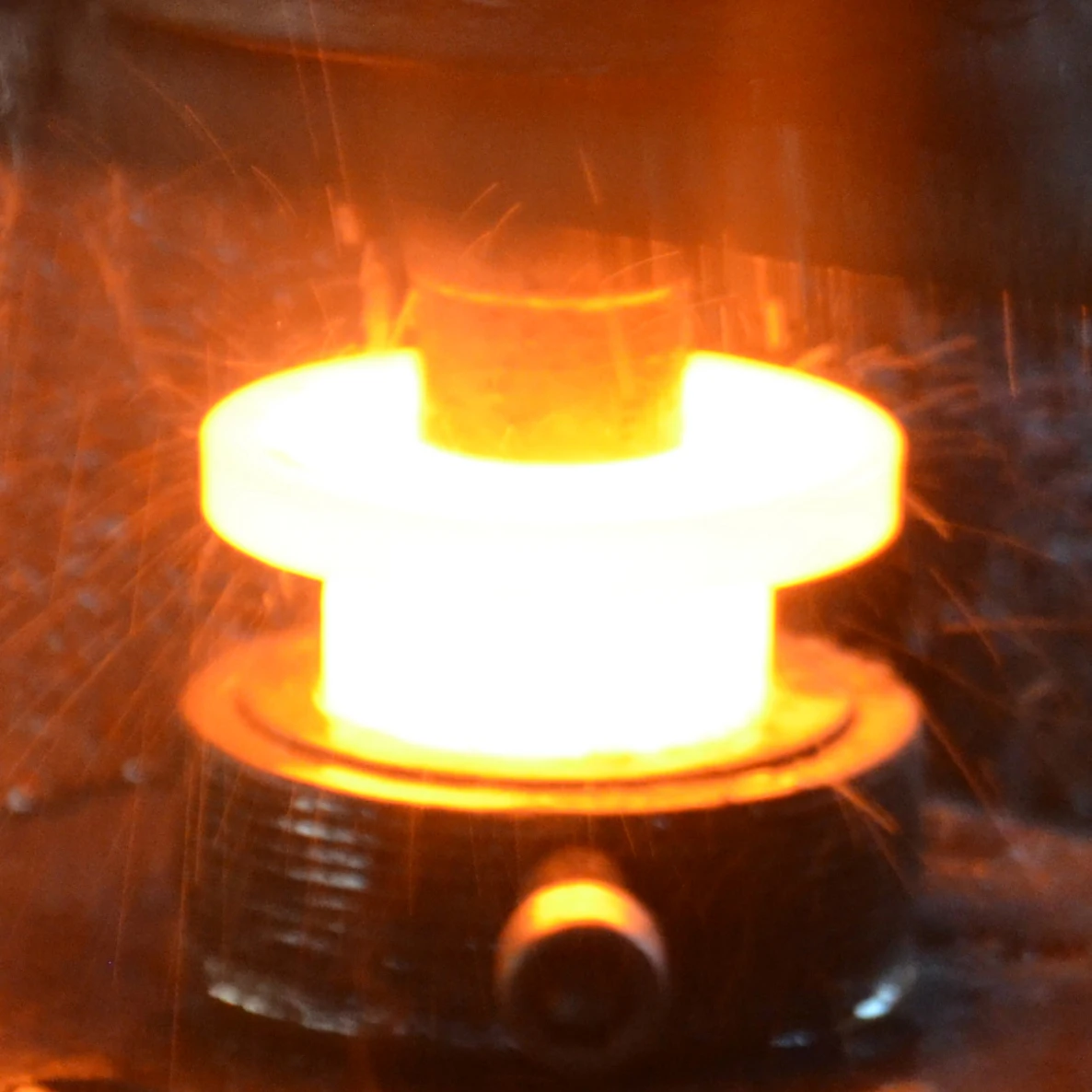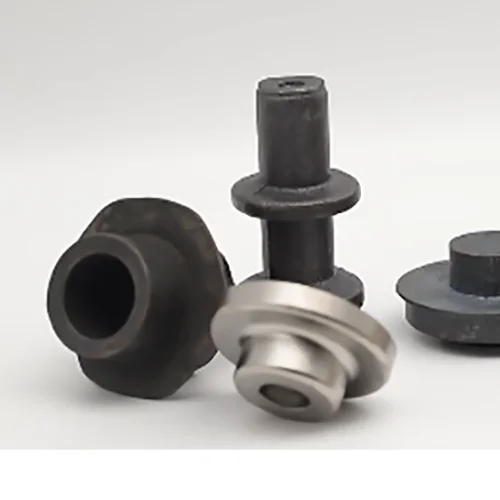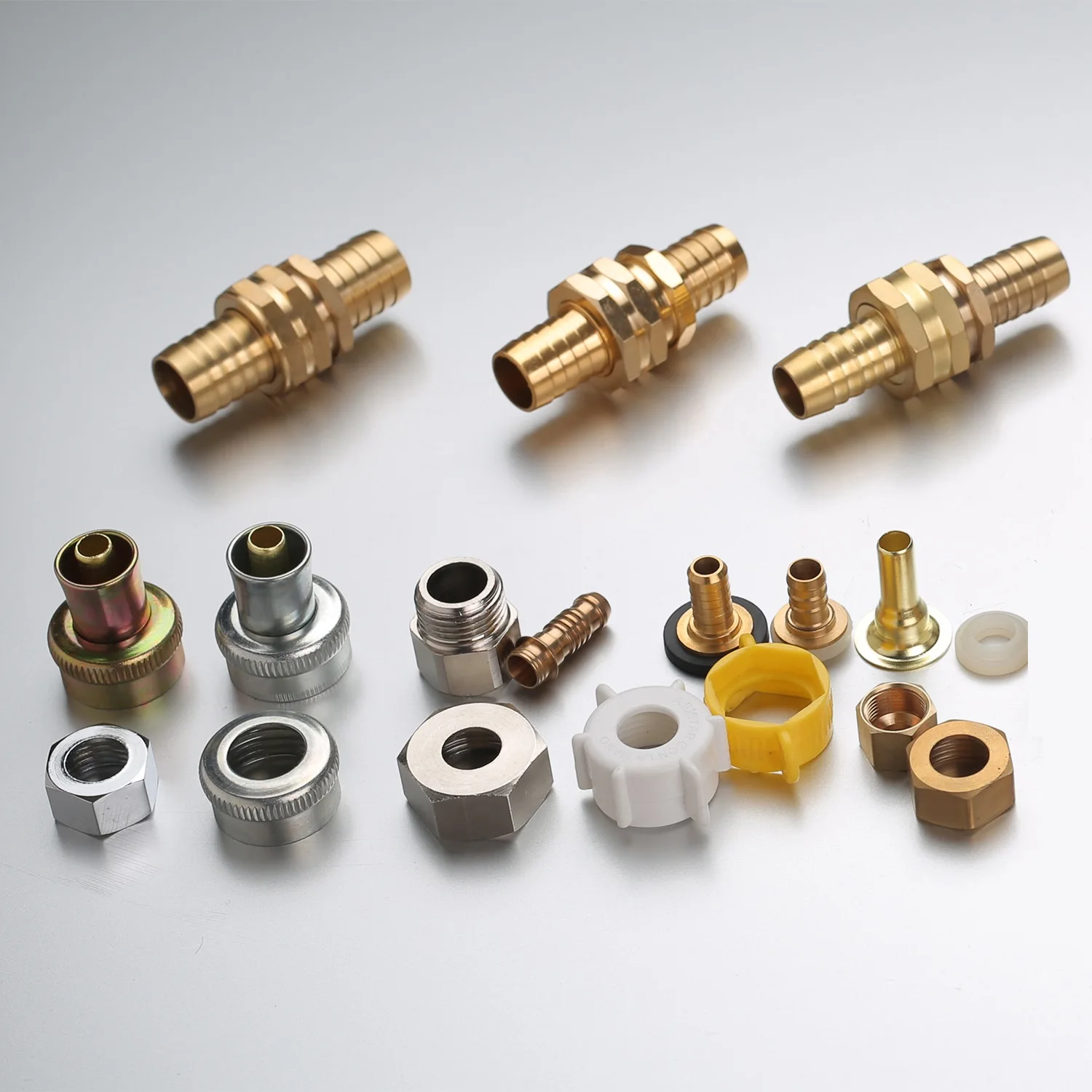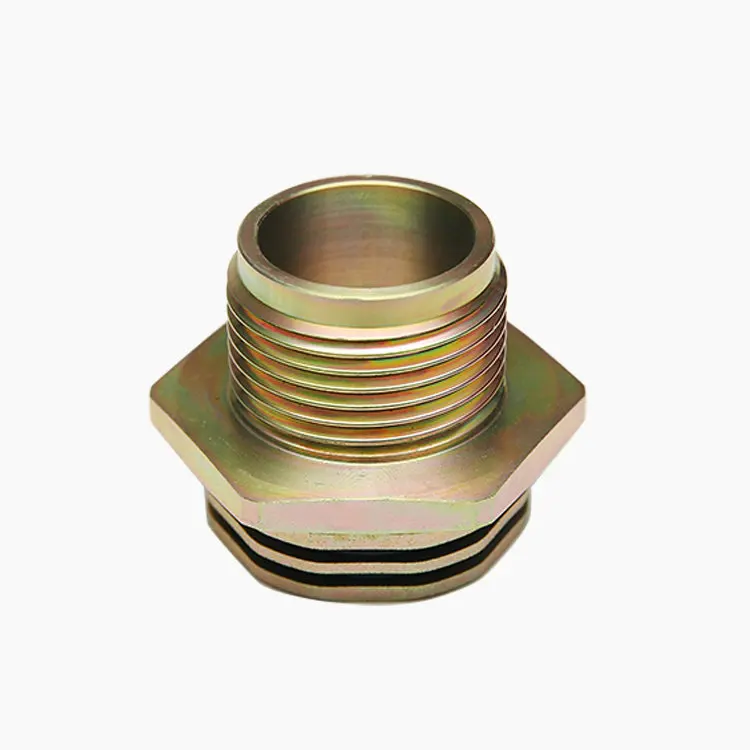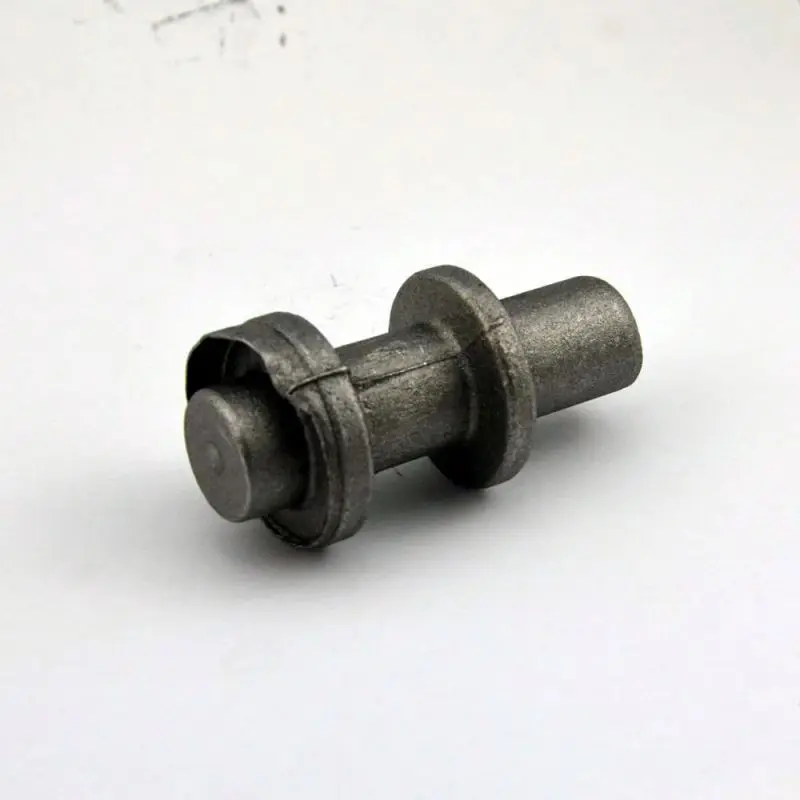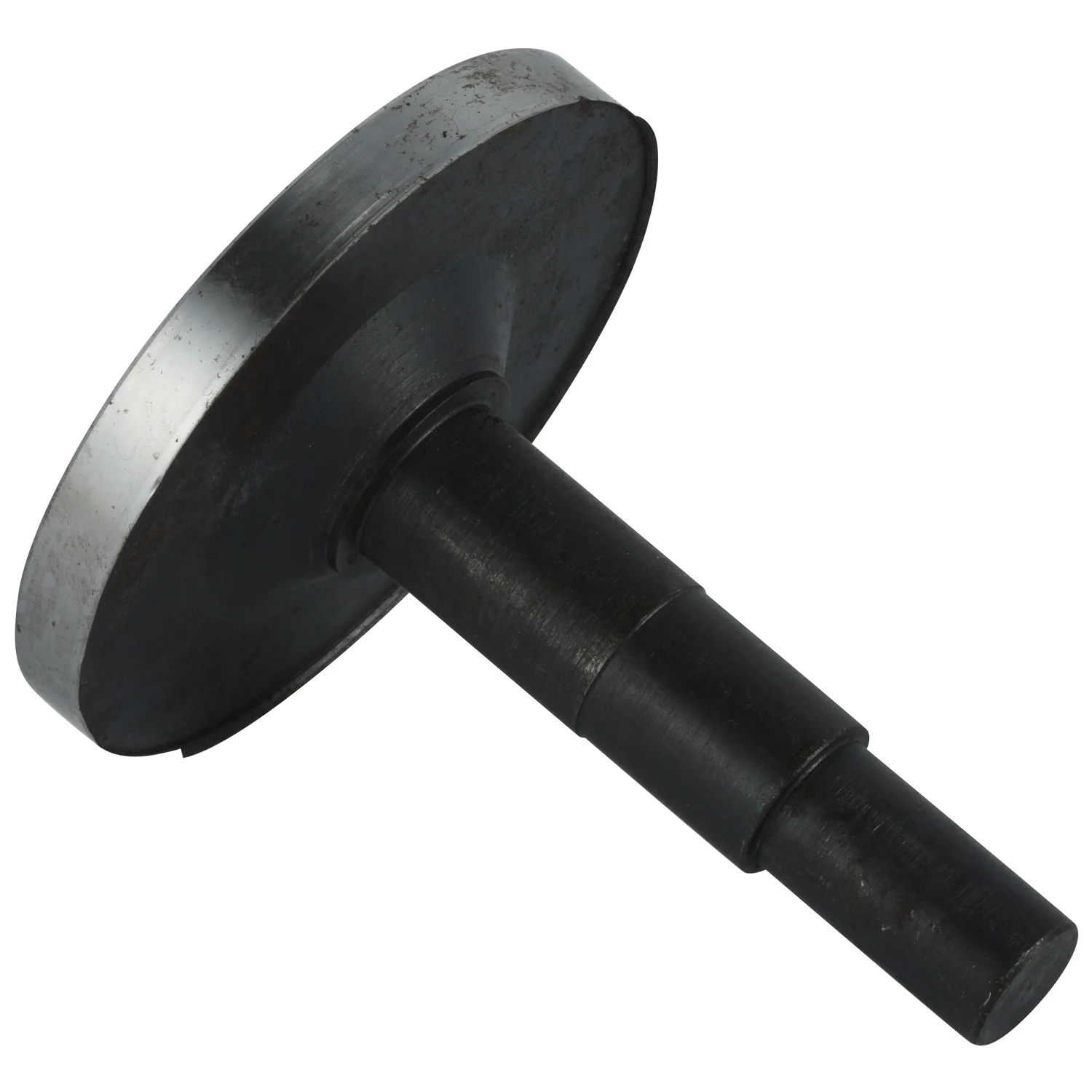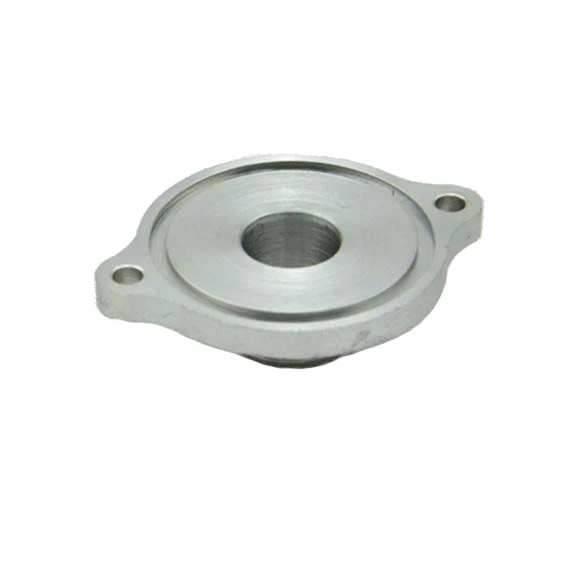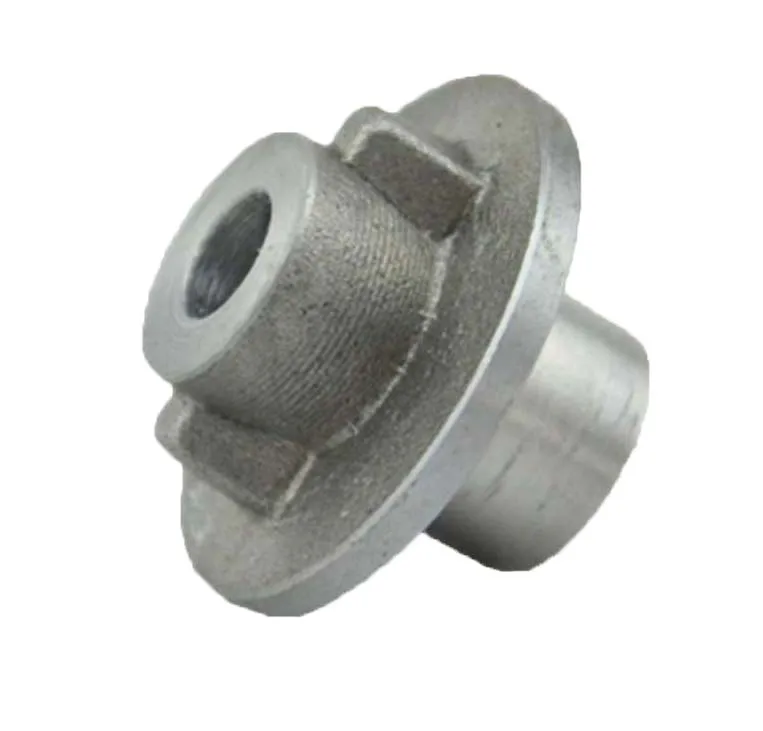
Metal is heated up in a garden hose connector, and then pressed or hammered into a desired shape. This process is essential for producing durable and highly effective metal segments, with diverse applications.
So hot forging columns from metal stock. The metal is first heated to softness, so that it’s malleable. When it’s hot, the metal is placed into a mold and then pressed or hammered into the shape we desire. It is commonly used to make strong, long-lasting parts.
Brief explanation to a child: when metal gets heated during forging, the tiny bits that make up the metal change. This strengthens and prolongs metal much more than pouring into a mold or cutting. Hot forging also repairs any defects in the metal, which reduces the chances of breakage or cracking when demands are placed on the material.
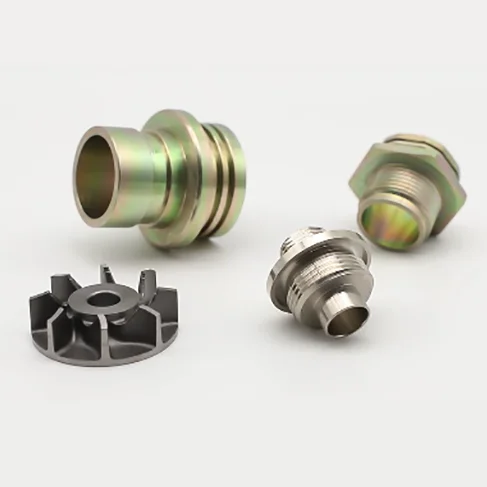
Hot forging has many more advantages over different metalworking methods. For one thing, it makes parts that are stronger and last longer. Hot forging also enables the formation of complex shapes which can be difficult to achieve with other types of manufacturing. And hot forging is a more economical method for producing thousands of metal parts.
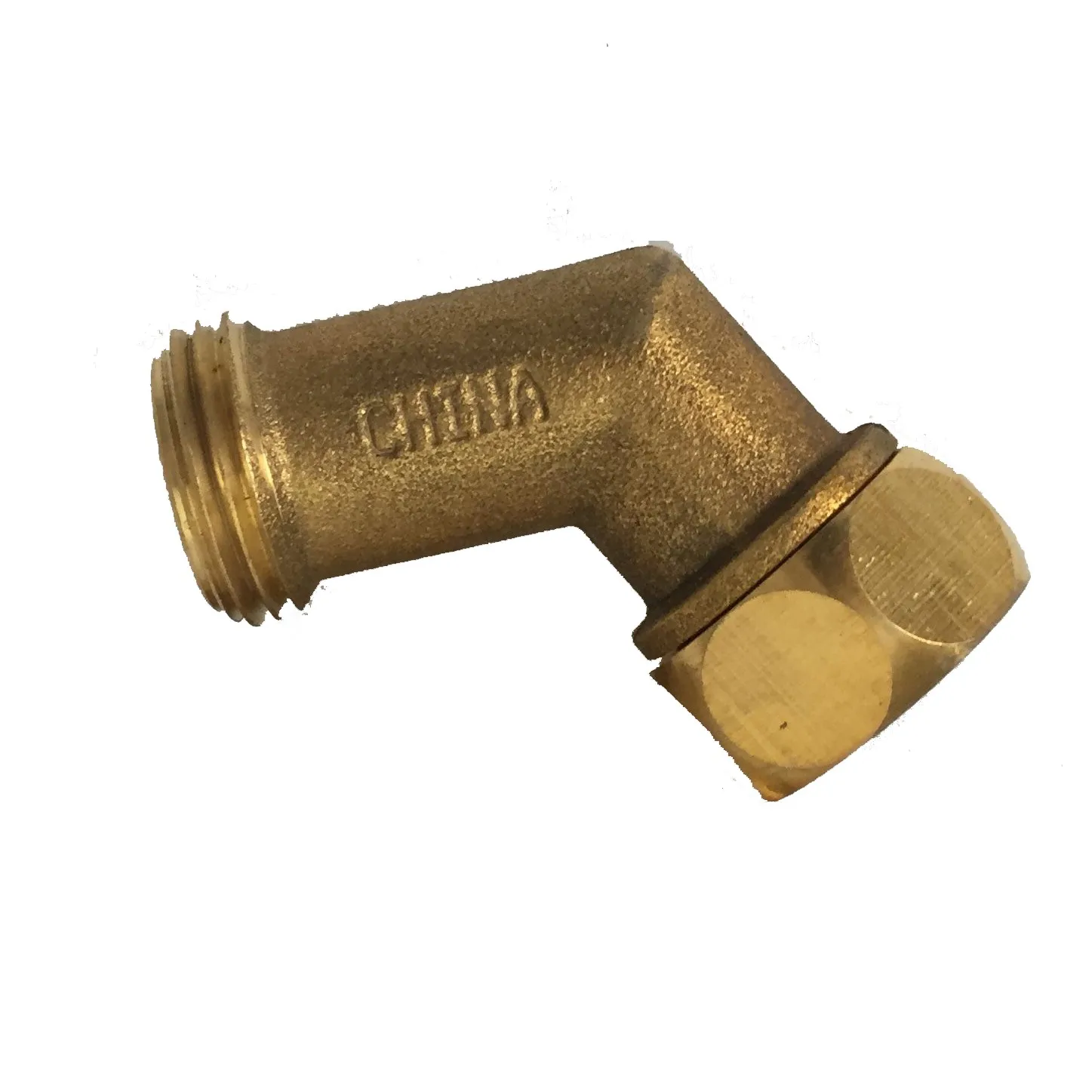
Hot forging can be done using various techniques and tools. One of the most common is drop forging which uses a hammer or press to forge the metal. Upsetting forging is a method where the metal is squeezed and molded into a certain shape. Hammers, presses, and molds are some of the tools used in hot forging process.
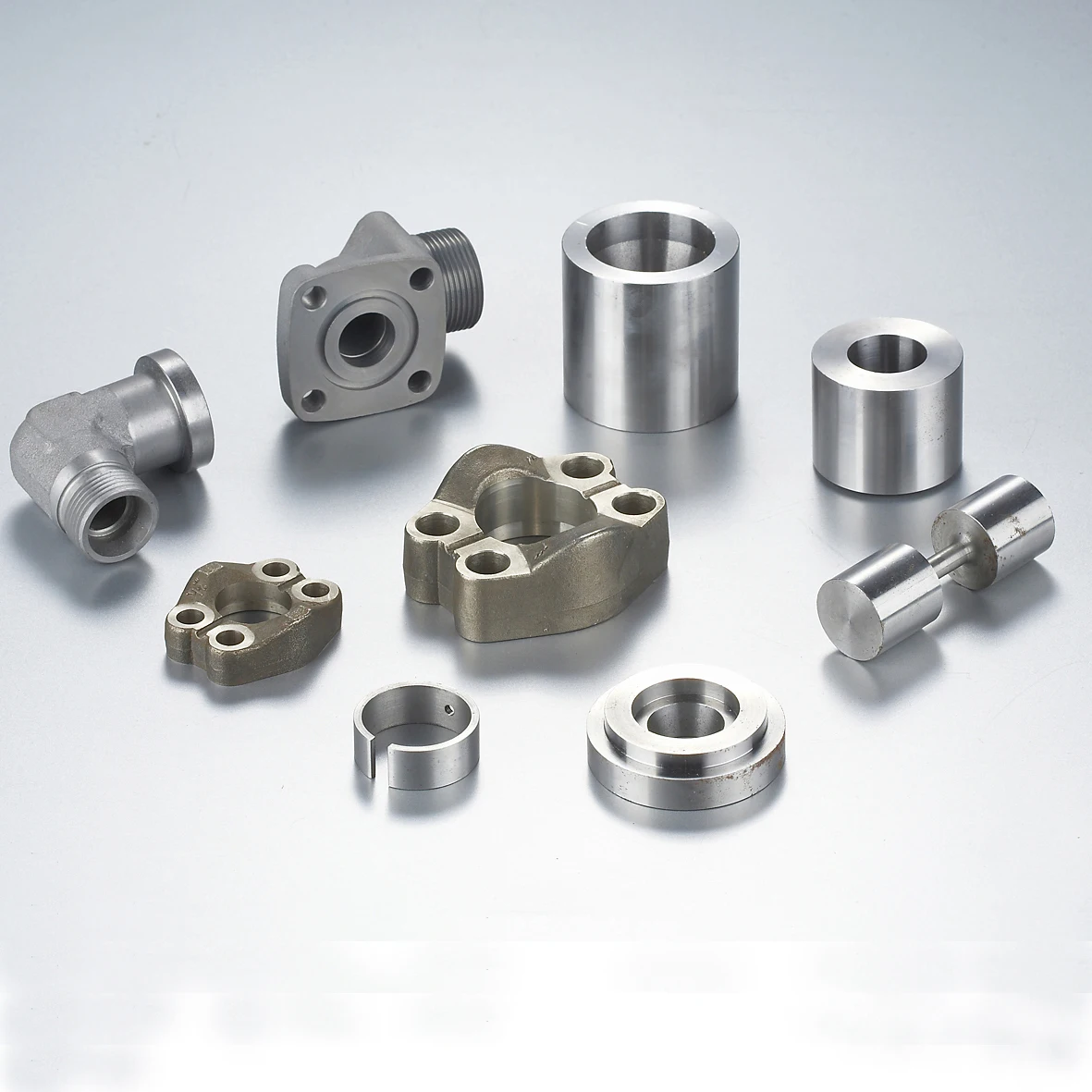
Hot forging is widely used across different industries to produce robust metal components. In the automotive industry, hot forging is mainly used for engine and transmission components. In the aerospace industry, for example, hot forging produces components for planes and spacecraft. Hot forging is also done in the construction, farming and mining sectors.
Copyright © Cixi Weiyue Metal Product Co., Ltd. All Rights Reserved - Privacy Policy - Blog
 EN
EN