Enhancing Durability with Steel Forging Techniques

All Categories

Get a Free Quote

Our representative will contact you soon.
Email
Name
Mobile
Company Name
Message
0/1000

steel forging

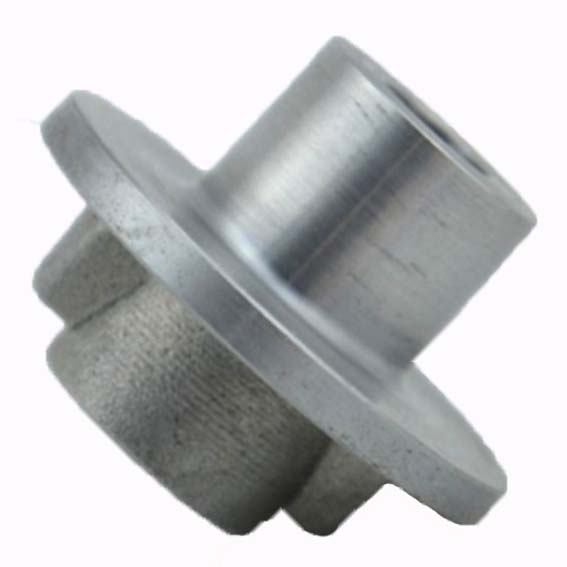
Steel forging is an important process in the world of manufacturing. This process shapes steel into  strong parts that are used in many different products.  Forging means taking  a piece of metal and heating it up  until it's hot  and soft. Workers then use special tools to  shape the metal into what they need. This method is used for making parts for cars, airplanes, and machines. At Weiyue, we focus on making high-quality  forged steel products that last a long time. When  we forge steel, we are creating items that  can handle  a lot of pressure and stress. This makes our products very reliable  for all kinds of uses. For instance, our OEM High Quality Forged Brass Hexagonal Connector Hose Nozzle Fitting Male Thread From China Factory Forging Services Product showcases the durability of our forged products.


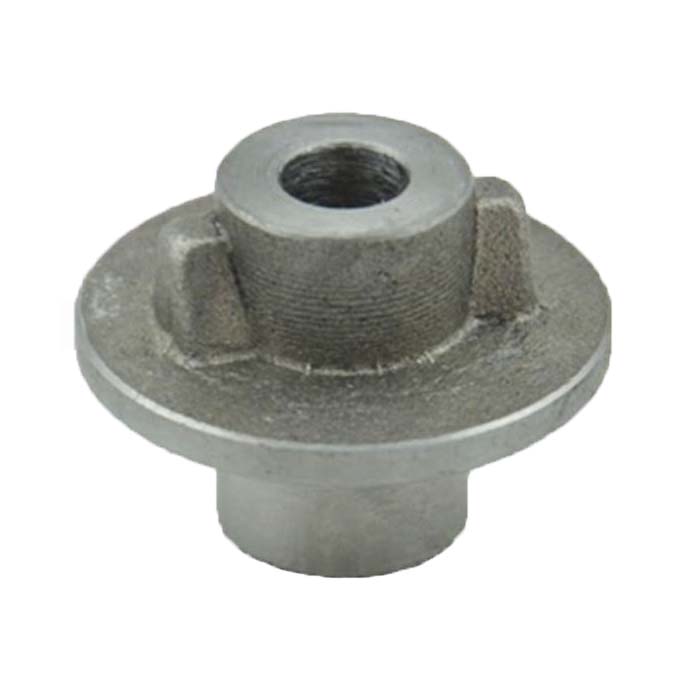
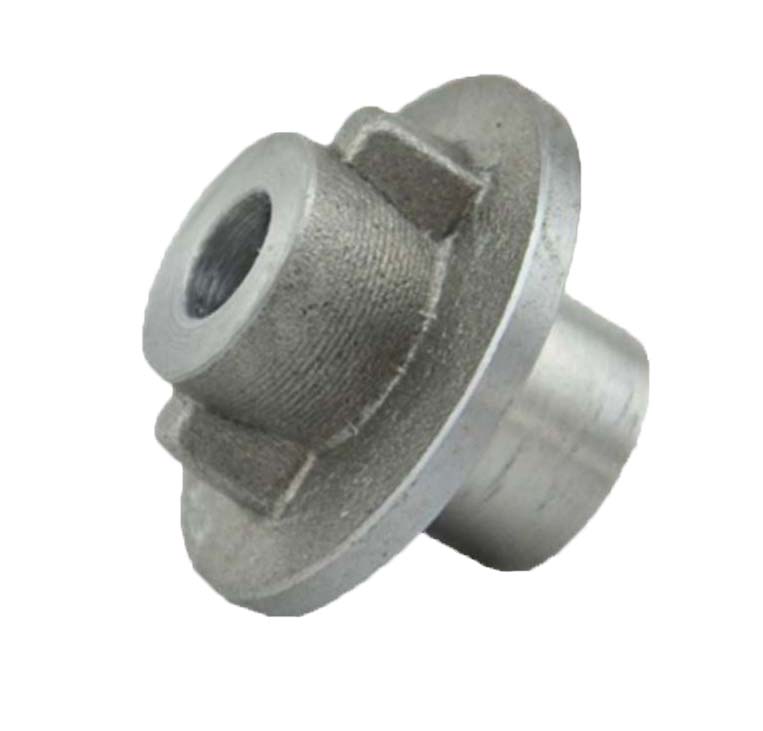
Steel forging greatly enhances the durability and performance of products. When  steel is forged, it becomes  denser and stronger. The process involves heating  the steel and then hammering  or  pressing it into shape. This method aligns the steel's grain structure, making it  less likely to break or wear out. For instance, in the  automotive industry, forged steel parts are used in engine components, which need to withstand high temperatures and pressures. These parts are less likely to fail compared to parts made from cast steel. Forged steel can resist fatigue better, making it perfect  for heavy machinery that works hard every day. Additionally, companies often use OEM Factory Customized Auto Parts & Machinery Parts Steel Hot Forging for their reliability.
How Steel Forging Enhances Product Durability and Performance

Forged  steel  also  offers better impact  resistance. This is crucial in construction equipment, where  tools often face harsh conditions. A forged steel  hammer will last longer than a cast hammer, saving  money and  time on replacements. At Weiyue, we ensure our forging process is top-notch, so our customers get the best products possible.  We know that when our  products  are strong and long-lasting, it helps our customers  complete their jobs with confidence.

Choosing forged steel over cast  steel comes with many benefits. First, forged steel is generally stronger. The forging process allows the steel to have a  uniform grain structure, which helps it handle stress better. This means that forged parts are less likely  to crack or break under pressure. For instance, if you  take a look at forged steel tools, you’ll notice  they often  last longer than their cast counterparts.  This is why many professionals prefer forged tools for  heavy-duty work.

Frequently Asked Questions

What steel forging services do you offer?

We provide precision steel forging, stamping, machining, and finishing for custom OEM parts, plus stainless steel braided hose assembly when required.
We serve global OEM clients across Europe, America and other regions, supporting automotive, industrial, hydraulic and general engineering applications.
Our in-house production adheres to ISO9001:2015, ensuring documented quality control, traceability and consistent process management.
Yes. We accept custom designs, prototypes and volume production runs with flexible batch sizes and capability for stamping and machining integration.
We work with various steel grades and stainless options, offering precision tolerances through machining and inspection to meet customer specifications.

Get a Free Quote

Our representative will contact you soon.
Email
Name
Mobile
Company Name
Message
0/1000

Related product categories

What are the Key Benefits of Choosing Forged Steel Over Cast Steel?

What are the Key Benefits of Choosing Forged Steel Over Cast Steel?

Cost is another factor to  think about. Although forged steel  might  have a  higher initial  cost,  it usually ends up being cheaper  in the  long run. Because forged steel parts  last  longer, companies spend less time and money  on repairs and replacements.  This  is  where Weiyue steps  in. We provide high-quality forged steel products that are worth the investment. Our  clients often find that the durability  and performance of our  products help them save  money over  time.

How Steel Forging Meets the Demands of Modern Manufacturing Industries

How Steel Forging Meets the Demands of Modern Manufacturing Industries

Steel forging  is a process that shapes steel into strong  and useful parts.  It  is very important in  modern manufacturing industries.  When we talk about manufacturing, we mean  making things in large amounts, like  cars, machines, and tools. Steel  forging helps meet  the high demands  of these industries because it creates parts that are strong and  last a long time. When  companies need parts for their machines, they  want them  to be tough and reliable.  Steel  forging makes sure that the parts can handle heavy use  and rough  conditions. At Weiyue, we focus on making high-quality forged steel  parts that meet the needs of different industries, from construction to transportation, including our Custom Made Factory High Precision Aluminum Forging Parts.

What Makes Steel Forging a Preferred Choice for Heavy Machinery Parts?

What Makes Steel Forging a Preferred Choice for Heavy Machinery Parts?

One of the main reasons why  steel forging is preferred for heavy  machinery parts  is its strength. Forged steel is stronger than regular steel because of the way it  is made. When  steel is heated and then shaped under great pressure, the metal's fibers align in a way that makes it tougher. This means that parts made  from forged steel can withstand heavy loads and stress without breaking.  For heavy machinery, like bulldozers or cranes, this strength is crucial. These machines often lift and move  heavy things, so their parts need to be very strong. At Weiyue, we understand  this need  and ensure  that our forged parts  are made  to last. Additionally, forged  steel  parts often  have fewer defects than  parts made using  other methods.  This means they are less likely to break  or fail, which is important for safety and efficiency in heavy machinery.